
What Do Dermatologists Think of Red Light Therapy?
Expert Insights on Effectiveness, Safety, and Clinical Reality
Red light therapy (RLT) has become one of the most discussed non-invasive skincare technologies in recent years. From anti-aging routines to post-procedure recovery, dermatologists increasingly explore light-based therapies as supportive tools in modern skin treatment.
But what do dermatologists actually think about red light therapy?
Is it scientifically credible, safe for long-term use, and suitable for at-home devices?
This article reviews dermatologist perspectives, clinical findings, and safety considerations to provide an evidence-based overview aligned with current dermatology practices.
What Is Red Light Therapy? A Dermatology Perspective
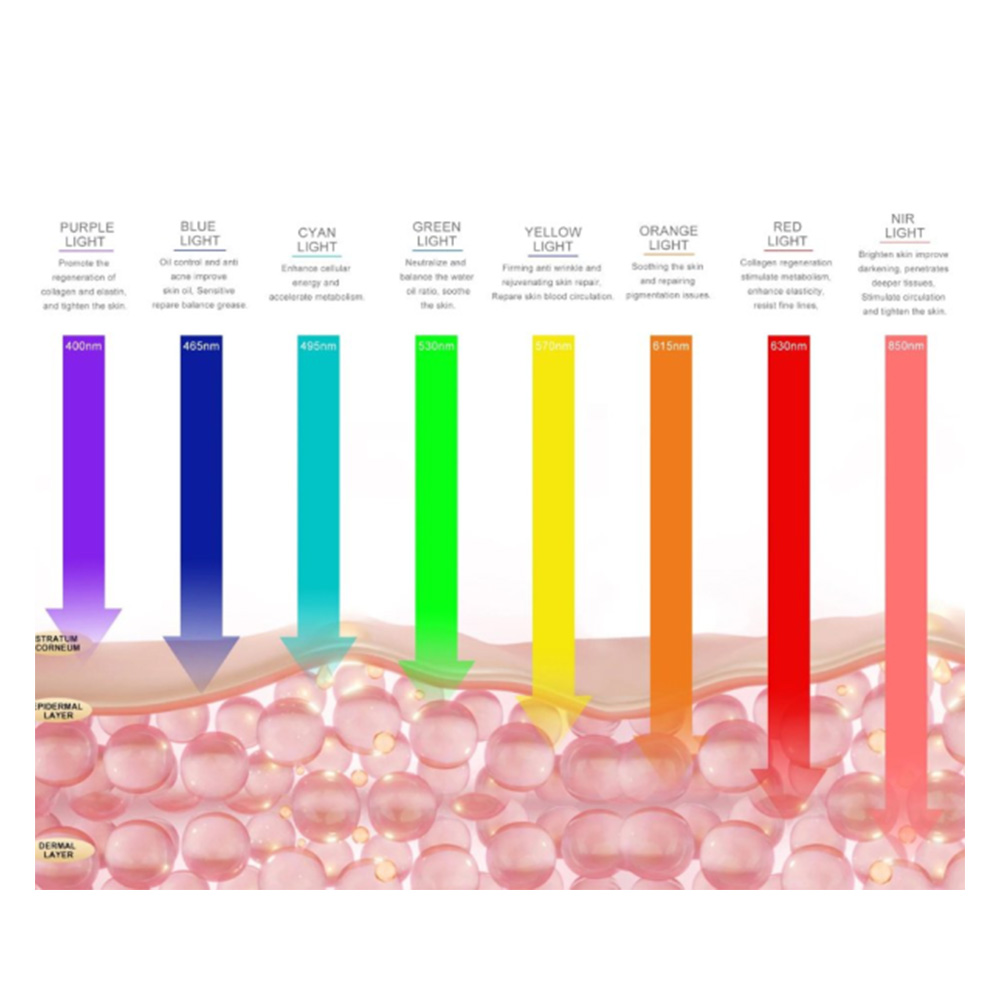
Red light therapy — often referred to as photobiomodulation or low-level light therapy (LLLT) — uses specific wavelengths of visible red and near-infrared light, typically between 600 nm and 850 nm, to interact with biological tissue.
Unlike ultraviolet radiation or ablative lasers, red light does not damage the skin barrier. Instead, dermatologists describe its mechanism as cellular modulation rather than tissue destruction.
Key Biological Mechanisms Recognized in Dermatology
Mitochondrial stimulation
Red light is absorbed by cytochrome c oxidase in mitochondria, increasing ATP production — the primary energy source for cellular repair.
Collagen and elastin support
Fibroblast activity may increase under controlled light exposure, contributing to gradual improvements in skin firmness.
Anti-inflammatory response
Clinical observations suggest reduced erythema and improved skin recovery following procedures.
These mechanisms form the basis for dermatologist interest in red light therapy as an adjunctive treatment.
Dermatologists’ Views on the Benefits of Red Light Therapy
Most board-certified dermatologists describe red light therapy as a supportive modality rather than a standalone solution. Evidence varies depending on treatment goals and device quality.
1. Anti-Aging and Skin Rejuvenation
Several clinical reviews indicate that consistent red light exposure may help improve:
-
Fine lines and texture
-
Skin tone uniformity
-
Elasticity over time
Dermatologists often emphasize that improvements are gradual and cumulative, typically appearing after several weeks of consistent sessions.
Rather than replacing injectables or lasers, RLT is frequently positioned as a maintenance tool.
2. Acne and Inflammation Management
Red light therapy is valued for its anti-inflammatory properties.
In dermatology settings, it is sometimes paired with blue light therapy, which targets acne-causing bacteria.
Potential benefits noted by clinicians include:
-
Reduced redness
-
Improved healing after breakouts
-
Support for sensitive or reactive skin types
However, dermatologists stress that severe acne usually requires medical treatment alongside light therapy.
3. Post-Procedure Recovery and Skin Barrier Support
Many dermatology clinics integrate red light therapy after procedures such as microneedling or laser treatments.
Clinical observations suggest:
-
Faster visible recovery
-
Reduced inflammation
-
Improved patient comfort
This professional usage contributes significantly to dermatologists’ acceptance of the technology.
4. Hair Growth and Scalp Applications
Emerging studies explore red light’s impact on hair follicles.
Some dermatologists combine light therapy with treatments like PRP to support hair growth outcomes.
While results vary, the therapy is generally viewed as low-risk and complementary.
Safety Considerations Dermatologists Emphasize
One reason red light therapy has gained acceptance is its strong safety profile when used properly.
Common Dermatologist Recommendations
-
Use devices with verified wavelength accuracy.
-
Avoid excessive session frequency.
-
Wear eye protection when recommended.
-
Consult a professional if using photosensitizing medications.
Reported side effects are typically mild and temporary, such as warmth or slight redness.
Importantly, dermatologists note that device quality and power output significantly influence both safety and effectiveness.
Limitations: What Dermatologists Want Consumers to Understand
A key theme across expert opinions is realistic expectations.
Red light therapy is not:
-
An instant wrinkle remover
-
A replacement for medical procedures
-
A cure for chronic skin disease
Instead, it works best as part of a broader skincare strategy including sun protection, topical treatments, and professional guidance.
Professional Treatments vs. At-Home Devices
Dermatologists distinguish clearly between clinical and home-use devices.
Clinical Treatments
-
Higher energy output
-
Administered by trained professionals
-
Often combined with other procedures
At-Home LED Devices
-
Lower intensity for safety
-
Require consistent long-term use
-
Ideal for maintenance rather than rapid transformation
Many dermatologists recommend combining both approaches depending on individual skin goals.
EEAT Insight: Why Dermatologist Opinion Matters in Red Light Therapy
From a clinical standpoint, red light therapy continues to evolve as research expands. Dermatologists generally agree that:
-
The technology is scientifically plausible.
-
Safety is high when devices follow regulatory standards.
-
Outcomes depend heavily on proper usage and device design.
This balanced perspective explains why red light therapy remains widely discussed — yet responsibly positioned — within dermatology.
Final Thoughts: Should You Consider Red Light Therapy?
Dermatologists increasingly view red light therapy as a valuable adjunct treatment for skin health, particularly for:
-
Early signs of aging
-
Mild inflammatory conditions
-
Post-procedure recovery
-
Long-term skin maintenance
However, professional guidance and realistic expectations remain essential.
If you’re considering red light therapy, consult a qualified dermatologist to determine whether it fits your skin profile and treatment goals.
Sources and Further Reading
-
American Academy of Dermatology
-
Cleveland Clinic Dermatology Resources
-
Mayo Clinic Health Library
-
Peer-reviewed studies on photobiomodulation

