
Understanding Red Light Therapy: Red Light vs. Near-Infrared Light
In recent years, red light therapy has surged in popularity as a non-invasive treatment for skin rejuvenation, pain relief, and overall wellness. However, many people are still unclear about the differences between red light and near-infrared (NIR) light therapy. Understanding these distinctions is crucial to choosing the right therapy for your needs and maximizing health benefits. This article delves into the core differences between red light and near-infrared light, their biological mechanisms, applications, and how combining both can enhance your wellness routine.
What Is Red Light Therapy?
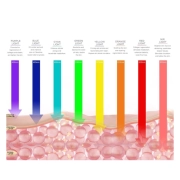
Red light therapy uses visible red light wavelengths, typically ranging from 600 to 700 nanometers (nm). This light penetrates the skin’s surface layers—epidermis and dermis—at depths of about 1 to 6 millimeters. It primarily stimulates collagen synthesis, boosts cellular repair, and enhances superficial blood circulation.
Key benefits of red light therapy include:
- Skin rejuvenation (reducing wrinkles and fine lines)
- Acne and rosacea treatment
- Accelerated wound healing
- Anti-aging effects through increased collagen density (up to 31% in studies)
What Is Near-Infrared Light Therapy?
Near-infrared (NIR) light therapy operates in the 700 to 1500 nm wavelength range, which is invisible to the human eye. Unlike red light, NIR penetrates much deeper—up to 10 to 15 millimeters—reaching muscles, joints, tendons, and even bones.
The therapeutic effects of NIR light include:
- Deep tissue pain relief and inflammation reduction
- Enhanced muscle and joint recovery
- Improved blood circulation via nitric oxide release
- Neurological support and metabolic boosts (e.g., increased ATP production by up to 300%)
Red Light vs. Near-Infrared Light: Core Differences
| Feature | Red Light Therapy | Near-Infrared Light Therapy |
|---|---|---|
| Wavelength | 600 – 700 nm (visible spectrum) | 700 – 1500 nm (invisible spectrum) |
| Penetration Depth | 1 – 6 mm (skin layers) | 10 – 15 mm (deep tissues, muscles) |
| Primary Targets | Skin cells, collagen, blood vessels | Muscles, joints, nerves, blood vessels |
| Biological Mechanism | Photochemical (non-thermal) stimulation | Thermal + photobiomodulation |
| Main Benefits | Skin repair, anti-aging, wound healing | Pain relief, muscle recovery, inflammation reduction |
| Heat Generation | Minimal to none | Mild warming sensation |
How Do They Work?
Both therapies stimulate mitochondria within cells, increasing adenosine triphosphate (ATP) production—the energy currency vital for cellular repair and regeneration. Red light mainly affects superficial skin cells, promoting collagen and elastin synthesis, which improves skin elasticity and reduces wrinkles. NIR light penetrates deeper, enhancing blood flow and reducing inflammation in muscles and joints, which supports pain relief and tissue recovery.
Combining Red and Near-Infrared Light for Optimal Results
Many modern devices, such as those from Rainbowdo, combine red and NIR light to harness the benefits of both wavelengths. This synergistic approach allows:
- Surface-level skin repair and rejuvenation via red light
- Deep tissue healing and pain relief through NIR light
Usage guidelines include:
- For skin issues: Red light at 10–15 cm distance for ~10 minutes per session
- For deep tissue pain: NIR light at less than 5 cm distance for about 15 minutes
- Limit sessions to 3–5 times per week to prevent cellular tolerance
Safety and Device Selection Tips
- Ensure devices deliver power density ≥ 50 mW/cm² for effectiveness.
- Use eye protection, especially when using NIR light, to prevent lens damage.
- Choose devices with dual-chip LEDs and medical certifications (e.g., FDA Class II) to guarantee wavelength accuracy and safety.
- Opt for devices with independent red and NIR modes to customize treatments.
Emerging Research and Future Directions
Recent studies highlight exciting new applications:
- Mental health: Four weeks of red light therapy achieved up to 60% remission in depression cases.
- Fertility: NIR light at 830 nm improved sperm motility by 22% and increased live birth rates by 50%.
- Diabetic care: NIR at 850 nm enhanced diabetic ulcer healing by 50%.
These findings suggest red and NIR therapies have vast potential beyond traditional uses.
Understanding red light therapy and the differences between red light and near-infrared light is essential for selecting the right treatment for your health goals. Red light excels in skin rejuvenation and surface healing, while near-infrared light penetrates deeper to relieve pain and accelerate muscle and joint recovery. Combining both therapies offers a comprehensive approach to wellness, addressing both external and internal health concerns.
Ready to experience the benefits? Explore certified dual-wavelength devices and start your journey toward improved skin health and pain relief today!
For a complete breakdown of how this technology works and professional safety standards, read our [Ultimate Guide to Red Light Therapy Masks].

